blog
What is a wedge lock for formwork and how does it affect strength?
14 February 2026

In monolithic construction, every detail is important, and the wedge lock is a key element of the formwork. Despite its small size, it plays a crucial role in ensuring the rigidity of the structure and maintaining the correct geometry during concrete pouring.
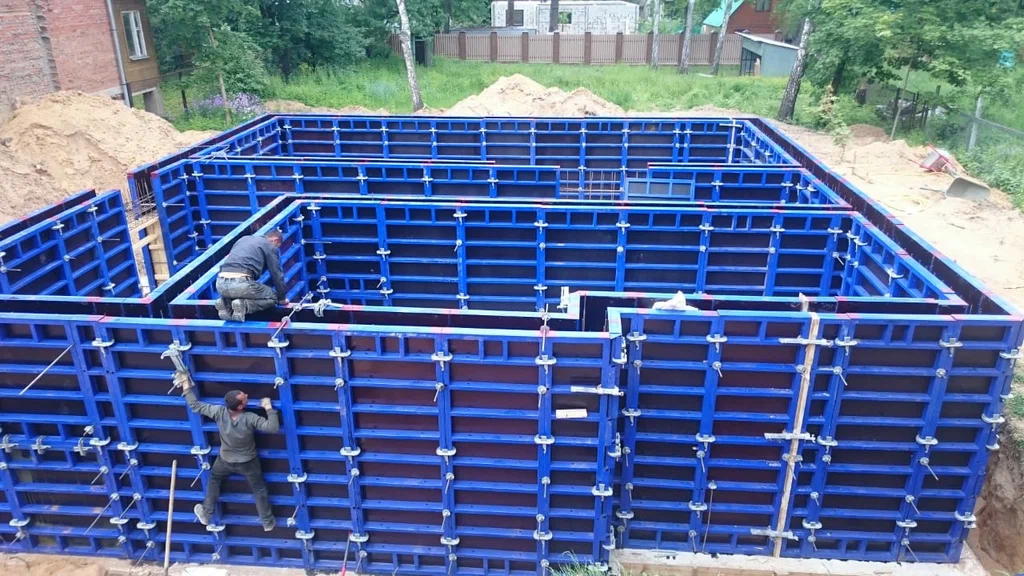
The wedge lock is used to connect formwork panels together. It secures the panels into a single system, creating a strong and stable connection. During pouring, concrete exerts significant pressure on the form walls, and the locks absorb part of this load, preventing the panels from separating.
The wedge lock operates using a mechanical clamp. During installation, the wedge is driven into the lock body, ensuring a tight connection between the elements. This design allows for quick assembly and disassembly of the system without the use of complex tools. This is especially important for large-scale projects and multiple concreting cycles.
The strength of the entire formwork system directly depends on the quality of the wedge lock. If the connections are not secure enough, gaps may appear between the panels. This leads to concrete leakage, uneven surfaces, and, in the worst case, structural deformation. Under heavy loads, weak locks can cause distortion or partial collapse of the formwork.
In the active construction environment of Uzbekistan, where multi-story residential complexes and commercial buildings are frequently erected, the load on formwork systems is significant. Therefore, the use of durable steel wedge locks with precise geometry and high-quality metalwork is a must for safe work.
Another important factor is uniform load distribution. When locks are installed correctly and in sufficient quantity, the concrete pressure is distributed evenly throughout the system. This reduces the risk of localized deformations and increases the stability of the structure.
Wedge locks also affect the speed of installation. Reliable fixation without additional fasteners reduces the time required for formwork assembly and disassembly. This speeds up the construction cycle and increases overall productivity on site.
The wear resistance of the components is also important to consider. Locks are reusable, so they must maintain their strength even after numerous cycles. High-quality steel and precise manufacturing technology ensure a long service life without losing functionality.
Therefore, a wedge lock is not just an auxiliary element, but a vital part of the entire formwork system. It ensures the rigidity of connections, prevents deformation, improves work safety, and directly impacts the quality of the finished concrete structure.
When selecting formwork components, it is important to pay attention not only to the panels and plywood, but also to elements such as locks. It is the combination of all these components that forms a reliable and stable system capable of withstanding the heavy loads of monolithic construction.
 Blogs
Blogs