blog
What affects the cost of formwork in 2026?
12 February 2026
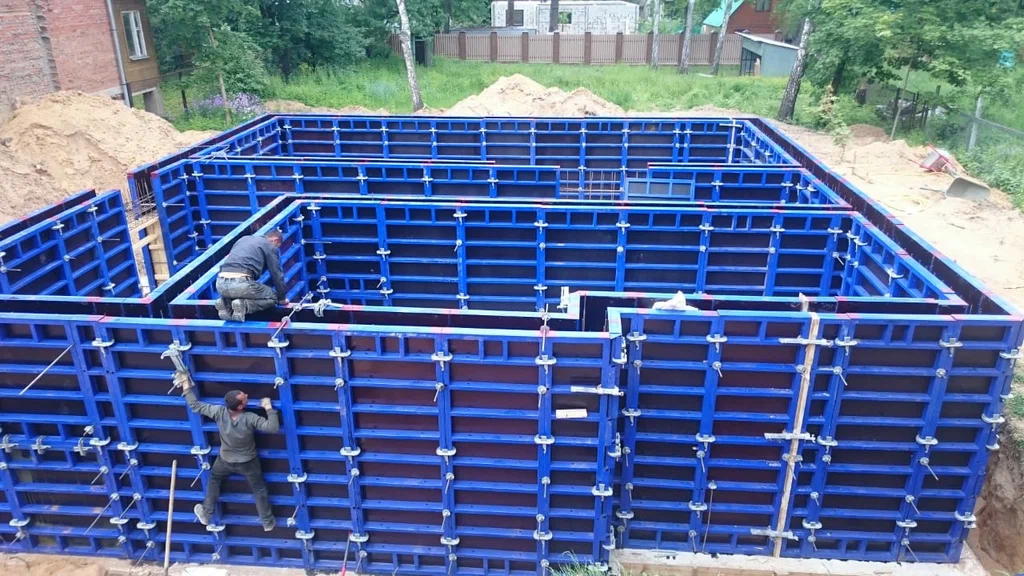
The cost of formwork systems remains a key factor considered by developers when planning a construction project budget. In 2026, formwork prices are influenced by both general market trends and specific technical and logistical aspects. Understanding these factors helps make more accurate calculations and select optimal solutions.
One of the main factors is the cost of materials. Metal formwork elements, such as panels, beams, and props, are made of steel. The global price of steel fluctuates depending on demand, production levels, and transportation costs. Increasing metal costs are reflected in the final price of the system. Plywood, especially laminated and moisture-resistant plywood used for surface formation, is a secondary consideration. The quality and type of plywood also significantly impact price. Stronger and more wear-resistant materials are more expensive, but they are more durable and more cost-effective in the long term.
Manufacturing technology and the quality of the finished parts are becoming increasingly important. Manufacturers using modern welding, milling, and quality control methods typically offer more expensive but more reliable products. High-quality manufacturing reduces the risk of defects during operation and extends the service life of the system, reducing replacement costs.
Logistics is another factor. The cost of delivering formwork to the construction site depends on distance, transportation rates, and infrastructure conditions. In a large region like Uzbekistan, logistics can have a significant impact on the final price. Fast and smooth delivery reduces the risk of on-site downtime and allows for more accurate work scheduling.
System reusability—the number of use cycles—also plays a significant role. A system that can withstand more pouring cycles saves the developer money on repeat equipment purchases. Therefore, more durable solutions, despite their higher price, often prove more cost-effective over the entire project.
The level of service from the manufacturer also plays a role. Providing estimates, consultations, technical support, and the ability to quickly reorder elements make the construction process more predictable and reduce hidden costs. Manufacturers offering such services typically factor these costs into their pricing, but they are offset by reduced risks and costs during the process.
Market conditions, such as demand for building materials, the economic situation, and the level of competition among manufacturers, also affect prices. High demand can lead to higher prices, especially for high-quality systems capable of ensuring high productivity.
Regional factors, including safety requirements, climatic conditions, and specific building codes, influence the choice of system and its price. In hot climates, moisture resistance and dimensional stability are more important when selecting materials, which can increase costs.
Finally, order volume affects price. For large projects, such as residential complexes, large-panel formwork is purchased in batches, which often allows for discounts and a lower average unit cost.
Thus, the cost of formwork in 2026 is influenced by a variety of factors. Developers and construction companies need to consider not only the price per set, but also the durability of materials, logistics, service support, and operating conditions. This helps not only optimize budgets but also improve the efficiency and safety of construction work.
 Blogs
Blogs