blog
Large-Panel or Small-Panel Formwork: Which is More Beneficial for Developers?
04 February 2026
Monolithic construction requires precise calculations and proper equipment selection. One of the key questions for developers in Uzbekistan is which system to choose: large-panel or small-panel formwork. This decision affects construction timelines, labor costs, and the final project budget.
To determine which is more advantageous, it is important to consider the features of each system and the specific conditions of the project.
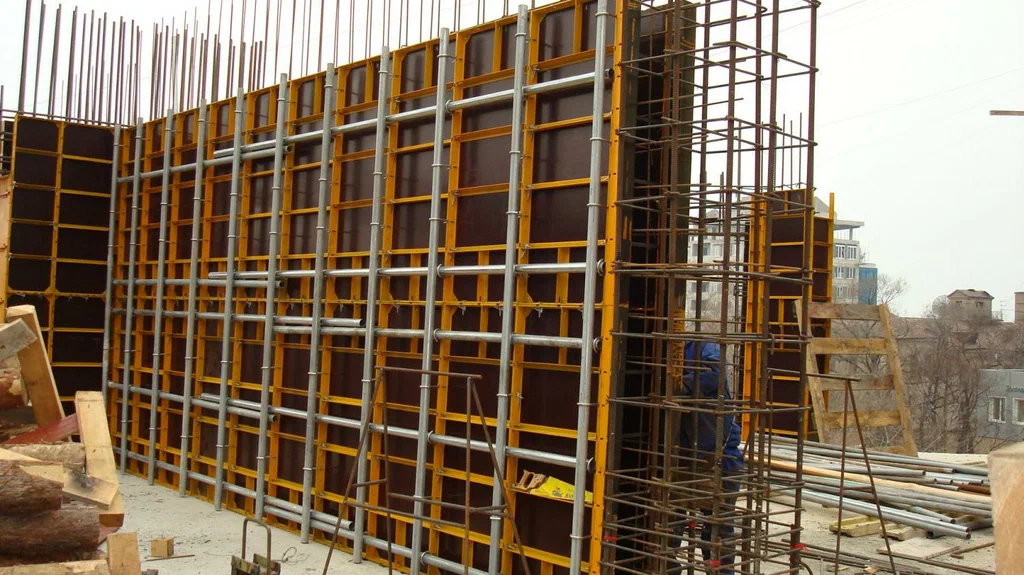
Large-panel formwork consists of large metal panels with high load-bearing capacity. These structures are mainly used for high-rise residential buildings, business centers, and large commercial projects. The main advantage is the speed of assembly and dismantling. One panel covers a large area, allowing rapid wall and column pouring.
For large projects with repeated floor plans, large-panel systems significantly reduce construction time. This directly affects the project’s economics: the faster the building is commissioned, the sooner the developer starts generating profit.
However, large-panel formwork requires lifting equipment, increasing crane rental and site organization costs. Initial investments in such a system are usually higher.
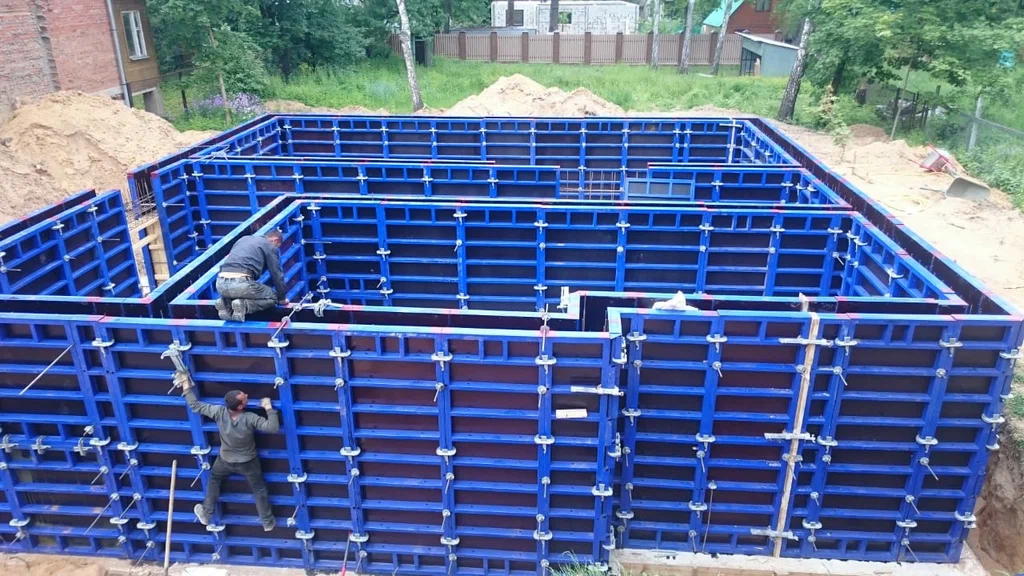
Small-panel formwork consists of smaller elements that can be assembled manually without heavy machinery. This makes it particularly suitable for private construction, low-rise buildings, and projects with complex architecture.
The main advantage of small-panel systems is flexibility. They are easier to adapt to non-standard shapes, corners, and architectural features. They are also suitable for sites with limited space.
However, installation takes longer compared to large-panel systems. For large and typical projects, labor costs may be higher due to the longer assembly process.
Economic benefits depend on the project scale. For high-rise residential complexes in Tashkent, large-panel formwork is usually more profitable. It speeds up construction cycles and reduces the cost per square meter for large volumes of work.
For smaller projects or cottage construction, small-panel systems may be more practical. They do not require crane rental and allow optimized logistics costs.
Another important factor is system reusability. The more cycles a formwork can withstand, the lower its effective cost per square meter of concrete. High-quality metal frames and water-resistant laminated plywood significantly increase equipment lifespan.
Worker qualification should also be considered. Large-panel systems require precise process organization and handling of machinery. Small-panel systems are easier to manage but require care and more time.
Choosing between large-panel and small-panel formwork should not be based solely on purchase price. Construction timelines, equipment availability, building type, floor repetition frequency, and total concrete volume must be considered.
Proper engineering calculations before work begins help determine the optimal solution for your project. This approach prevents equipment overuse and reduces on-site risks.
In conclusion, for large typical projects, large-panel systems are more profitable due to speed and productivity. For smaller or non-standard buildings, small-panel formwork is preferable due to flexibility and lower equipment requirements.
A properly selected formwork system is not just equipment—it is a tool for increasing the profitability of the entire construction project.
 Blogs
Blogs