blog
How to Properly Store Plywood and Formwork on a Construction Site
02 February 2026

Proper storage of plywood and formwork elements is an important aspect of efficient construction. Storage conditions affect the service life of materials, the quality of the concrete surface, and safety on site. In the hot climate of Uzbekistan, this issue is especially relevant, as high temperatures and sunlight can accelerate deformation of plywood and metal panels.
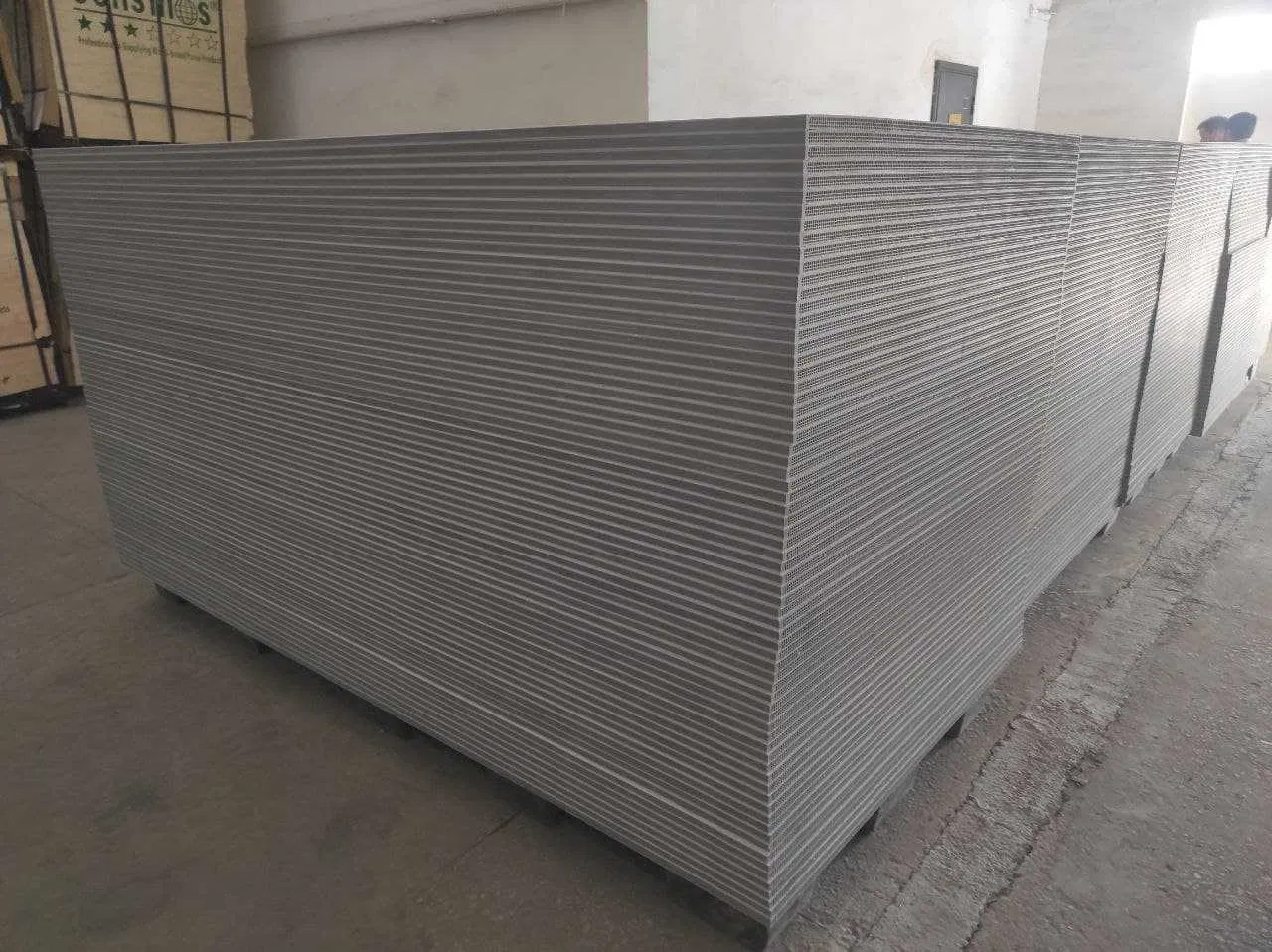
Plywood should be stored on a flat, dry surface, protected from direct sunlight. Sheets are best laid horizontally, avoiding contact with the ground to prevent moisture absorption and subsequent warping. It is recommended to cover plywood with protective film or a tarp to minimize exposure to weather conditions.
It is important to maintain ventilation between plywood layers. Wooden spacers or special pads are used to allow air circulation. This prevents mold, sagging, and warping of the sheets. Plywood should also be stored in a place protected from construction debris, chemicals, and other contaminants that can damage the laminated surface.
Metal formwork panels and beams also require careful storage. They should be stacked on a flat surface, ensuring stability and preventing tipping. To avoid deformation, elements should not be overloaded or left under heavy materials. When storing metal parts, it is recommended to use pads to protect surfaces from scratches and corrosion.
Special attention should be paid to components such as wedge locks, tie bolts, and corner elements. They should be stored in closed containers or boxes to prevent loss, damage, and moisture exposure. Clean and organized storage allows for quick access to necessary parts during assembly and disassembly of formwork.
Proper storage organization also speeds up the work process. Materials and formwork elements are always at hand, eliminating time spent cleaning or searching for damaged parts. This reduces downtime and increases productivity on site.
Following storage rules for plywood and formwork prolongs material life, preserves geometry and strength of elements, prevents deformation and damage. This directly affects the quality of finished concrete structures and construction efficiency, allowing the system to be reused multiple times without additional costs.
 Blogs
Blogs