blog
Formwork Plywood: Which Is Best for the Hot Climate of Uzbekistan
11 February 2026
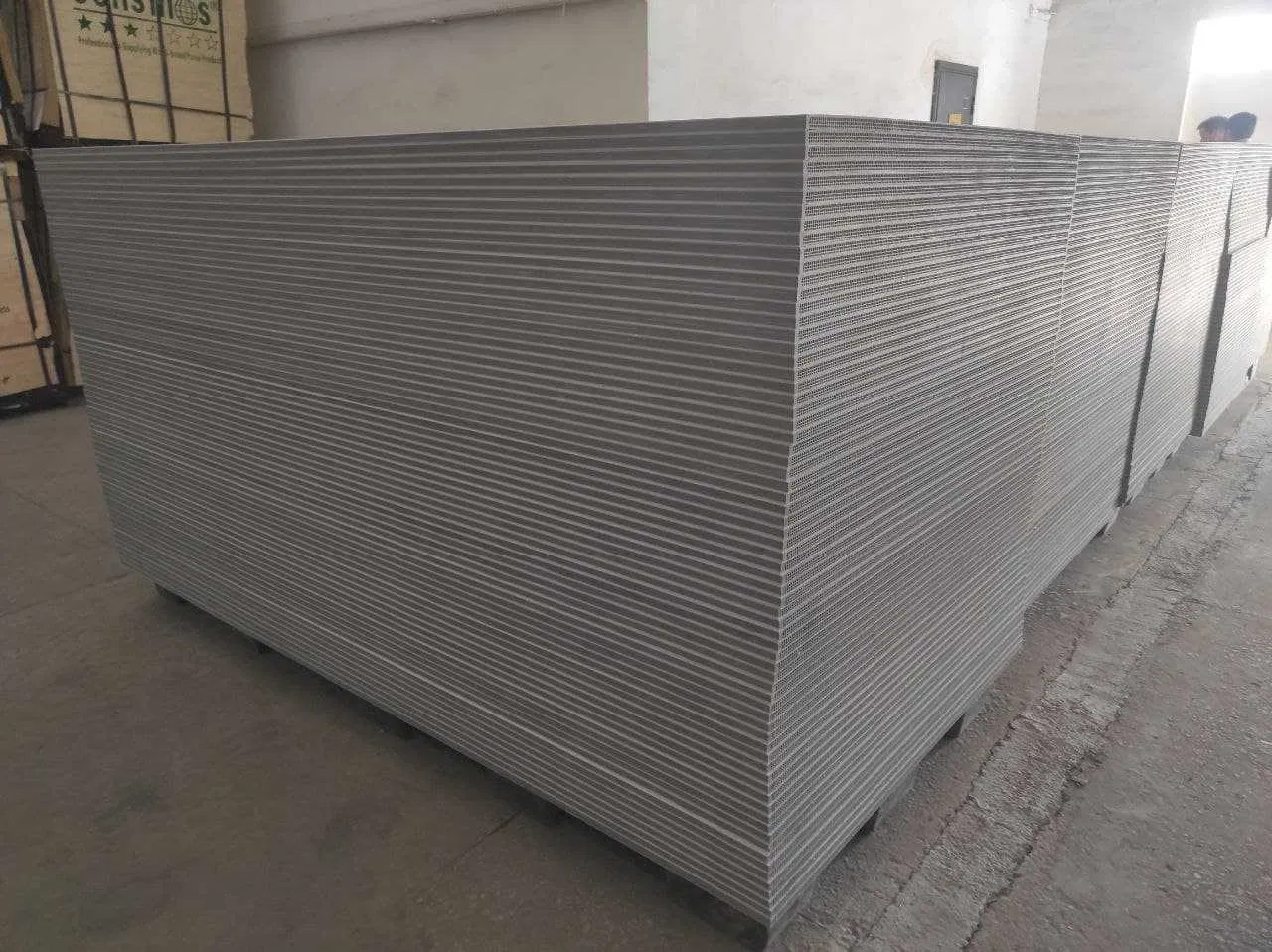
Plywood is a key element of the formwork system in monolithic construction. It forms the surface of the future concrete structure and directly impacts the quality of walls and floors. In Uzbekistan’s hot climate, the choice of plywood is particularly important, as high temperatures and dry air can significantly impact the material’s service life and performance characteristics.
Summer heat accelerates moisture evaporation, and sudden temperature fluctuations between day and night place additional stress on wood materials. Under such conditions, ordinary construction plywood can dry out, warp, and lose its shape. This leads to deterioration of the concrete surface and additional costs for repair or replacement of sheets.
Filmed plywood is most often used for monolithic construction in Uzbekistan. It is coated with a special protective film that prevents moisture absorption and protects the surface from mechanical damage. This prevents concrete from sticking to the sheet, and the plywood itself can withstand significantly more use cycles. In high temperatures, this protection helps maintain the material’s stability and extend its service life. Moisture-resistant plywood, manufactured using special adhesives, is also used. It is less susceptible to moisture and temperature changes than standard plywood. However, under intensive use and repeated concreting cycles, laminated plywood has a longer service life.
When selecting plywood, it is important to consider the sheet thickness and density. Insufficient thickness can lead to deflection under the weight of the concrete mix, especially when pouring floors. This affects the evenness of the surface and may require additional finishing. Denser and stronger sheets provide better geometry and load-bearing capacity.
The number of use cycles is also important. High-quality laminated plywood can withstand dozens of pouring cycles when properly maintained. This significantly reduces the actual cost of the material per square meter of concrete and makes it more cost-effective in the long term.
Proper storage is also important. Even the highest-quality plywood can deteriorate with prolonged exposure to direct sunlight or improper installation at the construction site. Proper storage conditions help maintain the sheet geometry and extend its service life.
In Uzbekistan’s hot climate, skimping on plywood quality often results in additional costs. Cheap materials wear out faster, require replacement, and can cause an uneven concrete surface. This increases the cost of subsequent work and slows down the construction process.
The choice of plywood for formwork should be based not only on price but also on the operating conditions, the scope of work, and the planned number of use cycles. Laminated, moisture-resistant plywood with high wear resistance is the most reliable solution for monolithic construction in high-temperature conditions.
Properly selected plywood ensures dimensional stability, a neat concrete surface, and cost optimization throughout the construction project.
 Blogs
Blogs