blog
Formwork Installation Errors and How to Avoid Them
07 February 2026

Formwork installation is one of the most critical stages of monolithic construction. Proper installation is crucial not only to the quality of the concrete structure but also to the safety of workers on site. Even minor errors can lead to wall deformation, concrete leaks, or delays in construction. In Uzbekistan, with its hot climate and active construction, it is essential to follow proper procedures at every stage.
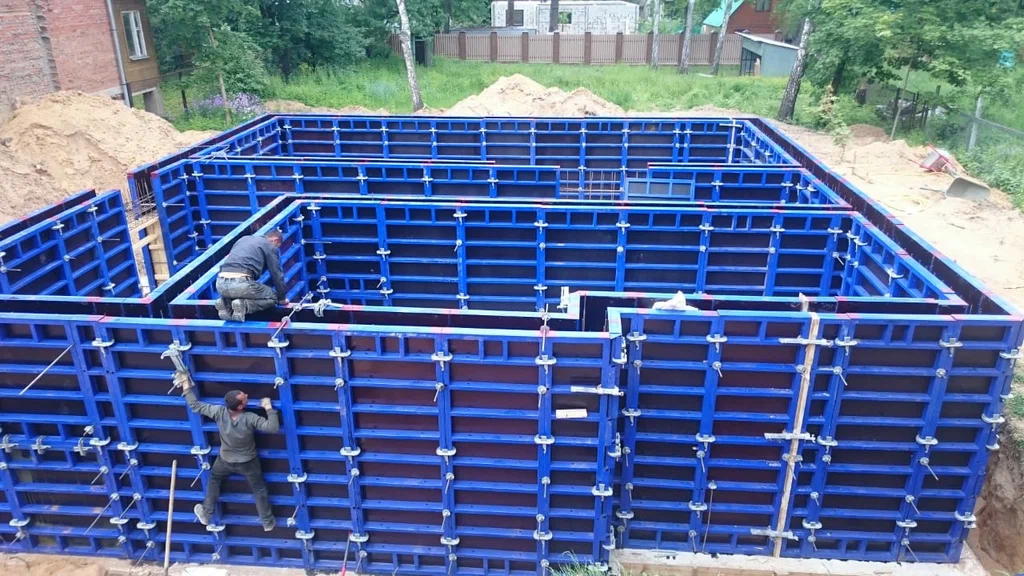
One common error is inadequate formwork support. If formwork panels are not securely fastened, the pressure of fresh concrete can cause them to shift. This creates the risk of gaps between the panels and an uneven surface. To avoid this problem, it is necessary to check the security of all locks and fasteners before pouring the concrete.
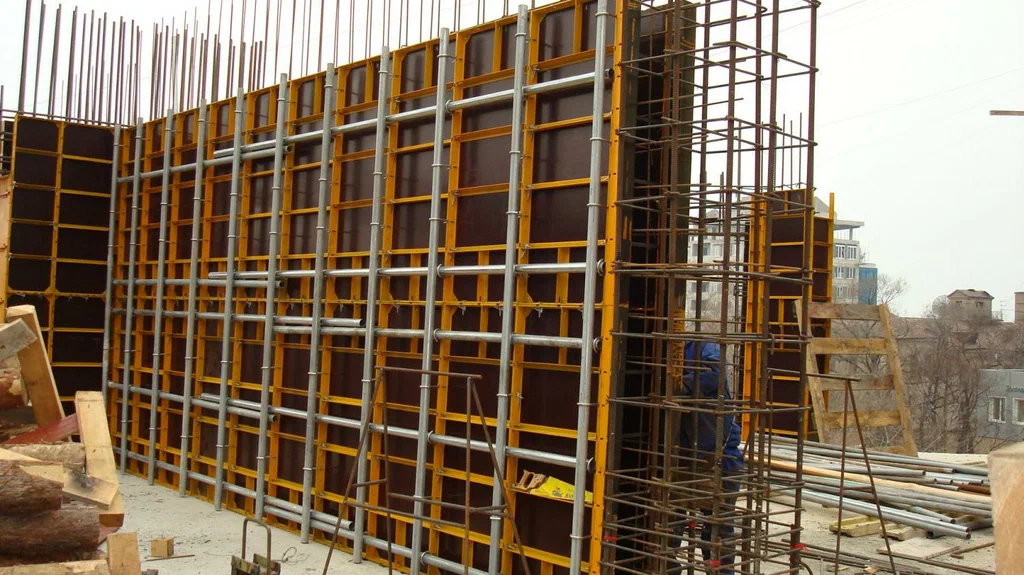
Incorrect alignment of elements is another common error. Panels and beams must strictly correspond to the level and design marks. Any deviation can lead to distortion of the structure and the need for additional work to level the concrete surface. Using a spirit level and precise markings can minimize these risks. Errors in installing floor props can also affect the strength of the system. Insufficient prop spacing or poor beam support increases the likelihood of slab deflection under the weight of the concrete. During installation, it is essential to consider the calculated loads and install the elements in accordance with the design documentation.
Incorrect panel connections using locks and tie rods are common. If locks are installed incorrectly or not tightly enough, concrete can leak through the gaps, degrading the surface quality and leading to excessive material consumption. Inspecting all connections before pouring helps avoid such problems.
Another mistake is using damaged or worn elements. Old panels, deformed beams, or cracked plywood reduce the reliability of the formwork. It is recommended to regularly inspect the equipment and replace elements that do not meet quality standards.
Incorrectly organized assembly and disassembly also often leads to accidents. Work must be carried out according to a clear plan, adhering to the order of formwork assembly and removal. This ensures structural stability and reduces the risk of accidents.
Particular attention should be paid to operating conditions in hot climates. High temperatures can accelerate concrete setting, necessitating prompt monitoring of the pouring process and adjustment of installation speed. This prevents panel deformation and maintains the quality of the structure.
Planning and engineering supervision are key to preventing errors. Before starting work, it is recommended to check drawings, load calculations, and equipment compliance with the design. Experienced specialists can identify potential risks and propose appropriate solutions before pouring.
Proper formwork installation ensures smooth concrete walls and floors, minimizes material overruns, and improves construction safety. Avoiding errors at this stage shortens the project timeline and reduces overall costs, ensuring efficient and reliable construction.
 Blogs
Blogs